

Foresight Economica argues that Tehran’s response to Washington pressure is not merely defensive. It is a strategic and systematic challenge to the American dollar order. By threatening global energy flows, attacking American bases and exploring non-dollar oil trade with partners such as China and Russia, Tehran is targeting the monetary foundations of American global power rather than solely responding on the battlefield.
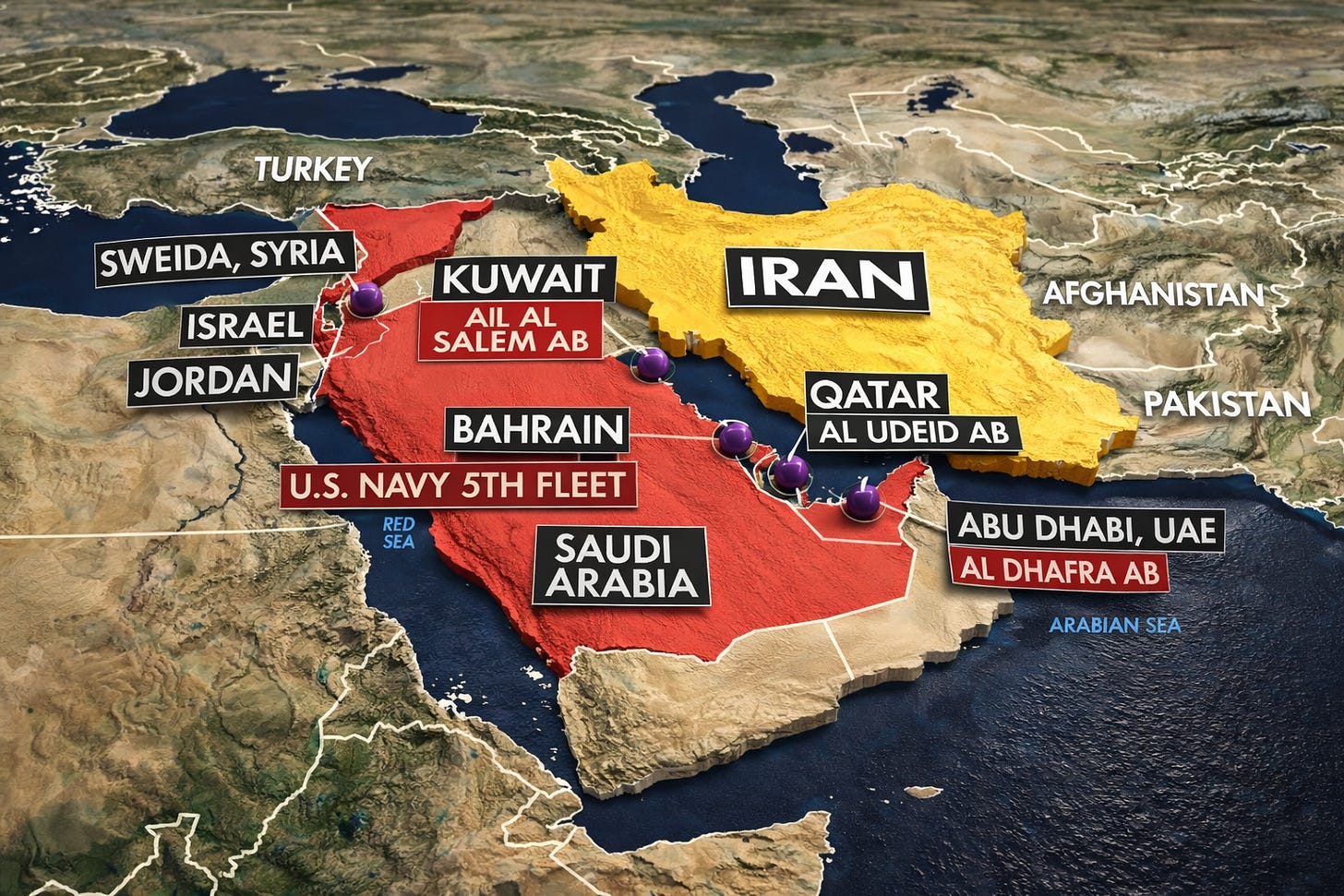
Most people think the conflict between the United States and Iran is about nuclear weapons.
It isn’t.
Initially the Americans may have seen a decapitation strike as a way to seize Iran’s vast energy reserves and strategic value, while Israel wanted expansion of the Greater Israel project.
Iran, expecting an attack has readied a military and economic response that has resulted in a struggle over the very foundation of American geopolitical power itself.
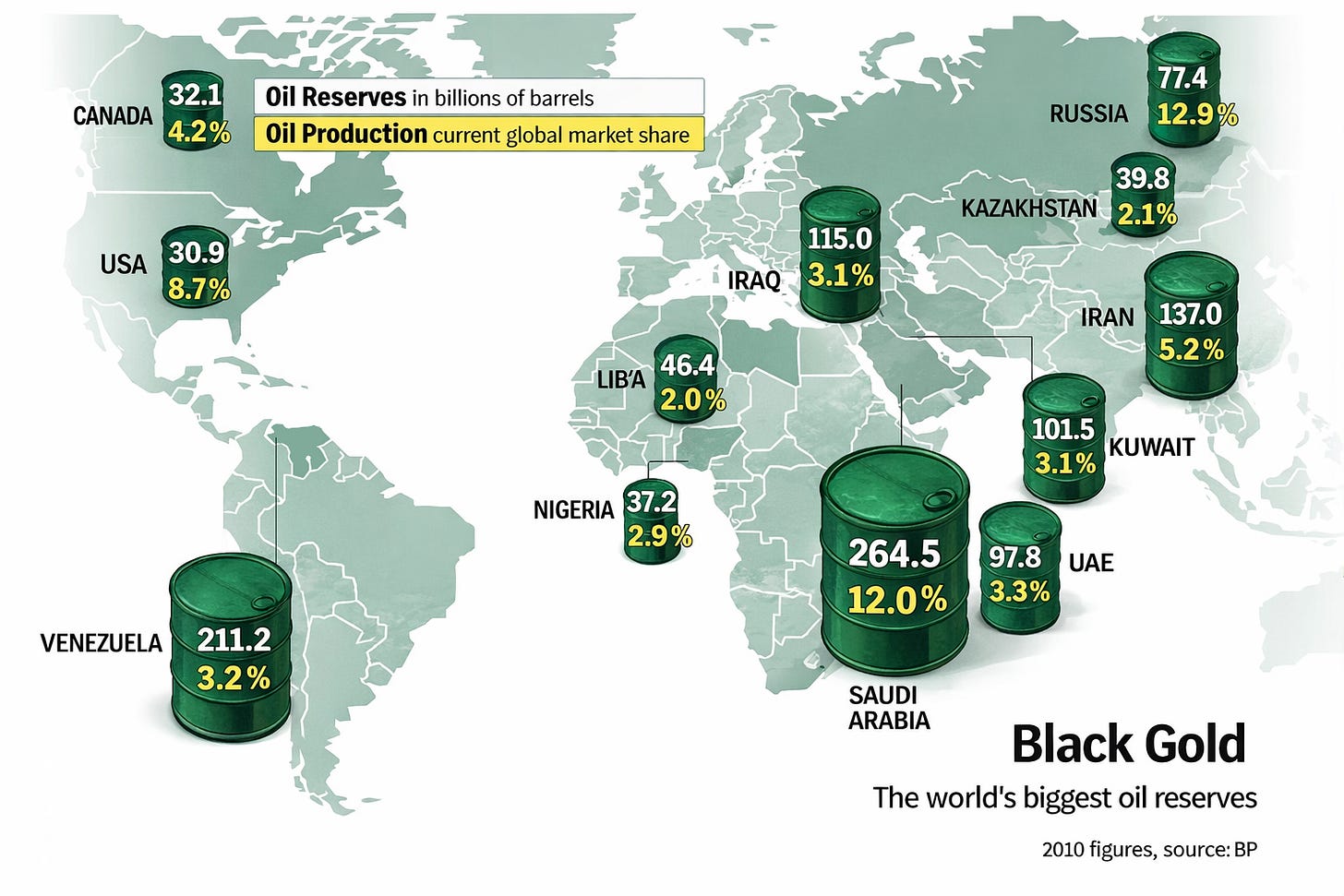
Senator Lindsey Graham said the quiet part out loud, framing American intervention as a strategic opportunity to control Iranian and Venezuelan oil reserves, noting that
“together they account for roughly 31 percent of the world’s proven oil”.
He characterized this as both an economic windfall and a geopolitical lever, explicitly linking military objectives to energy dominance and highlighting the centrality of oil to global influence.
At its core, this confrontation is about who controls the global monetary system that sits behind the oil market.
In other words, it is a struggle over the petrodollar.
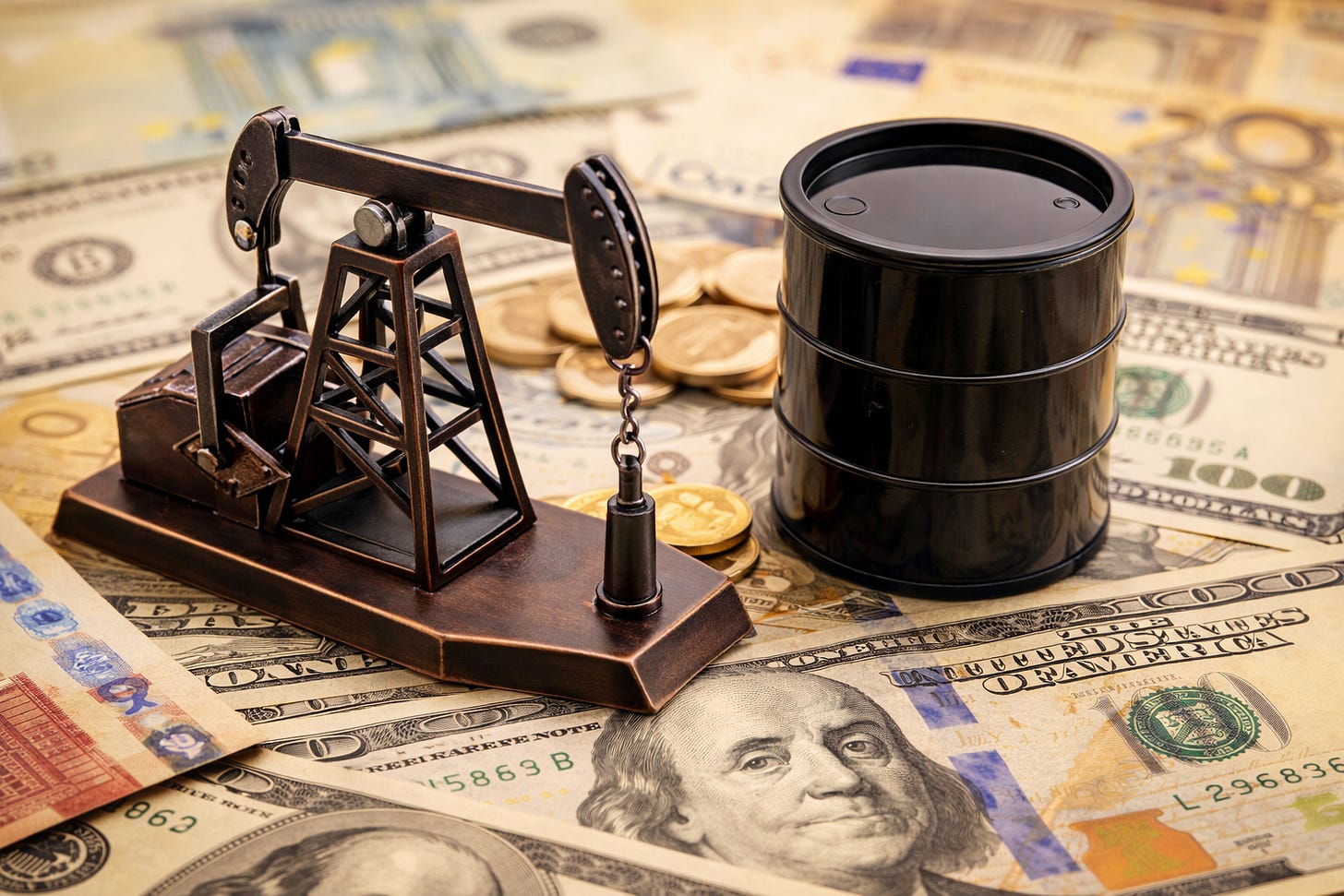
For decades the global economy has been organised around a simple but powerful arrangement. The world’s most important commodity, oil, is priced and traded in American dollars. That arrangement has quietly anchored the dollar at the centre of the global financial system.
When tensions escalate between Washington and Tehran, the discussion usually focuses on missiles, sanctions or nuclear enrichment.
But beneath those events lies a deeper structural contest over three pillars that underpin modern global power.
-
control of energy flows
-
dominance of the global currency system
-
influence over critical trade routes
Seen in that light, the conflict begins to look less like a regional dispute and more like a pressure test for the economic architecture that has shaped the world since the 1970s.
Iran is not simply challenging American influence in the Middle East. It is probing
the mechanisms that sustain the global dollar order itself.
The Petrodollar System
When the Bretton Woods system collapsed in 1971 and the United States abandoned the gold standard, the dollar faced a fundamental problem.
If it was no longer backed by gold, what would sustain global demand for it?
The answer emerged through a strategic alignment with the major oil producers of the Middle East.
Oil would be priced and traded in American dollars.
That decision effectively tied global energy markets to the American monetary system in return for American military protection.
From that point onward, any country that needed energy, which is to say every industrial economy, first needed dollars.
The system works through several reinforcing mechanisms.
First, oil trade is conducted in dollars. Energy importing countries must accumulate US dollars to buy fuel.
Second, oil exporters accumulate large dollar surpluses and recycle them into American financial markets through bonds, banks and investments.
Third, because global finance runs through the dollar system, the United States gains enormous leverage. Access to banking, capital markets and payment infrastructure can be expanded or withdrawn through sanctions.
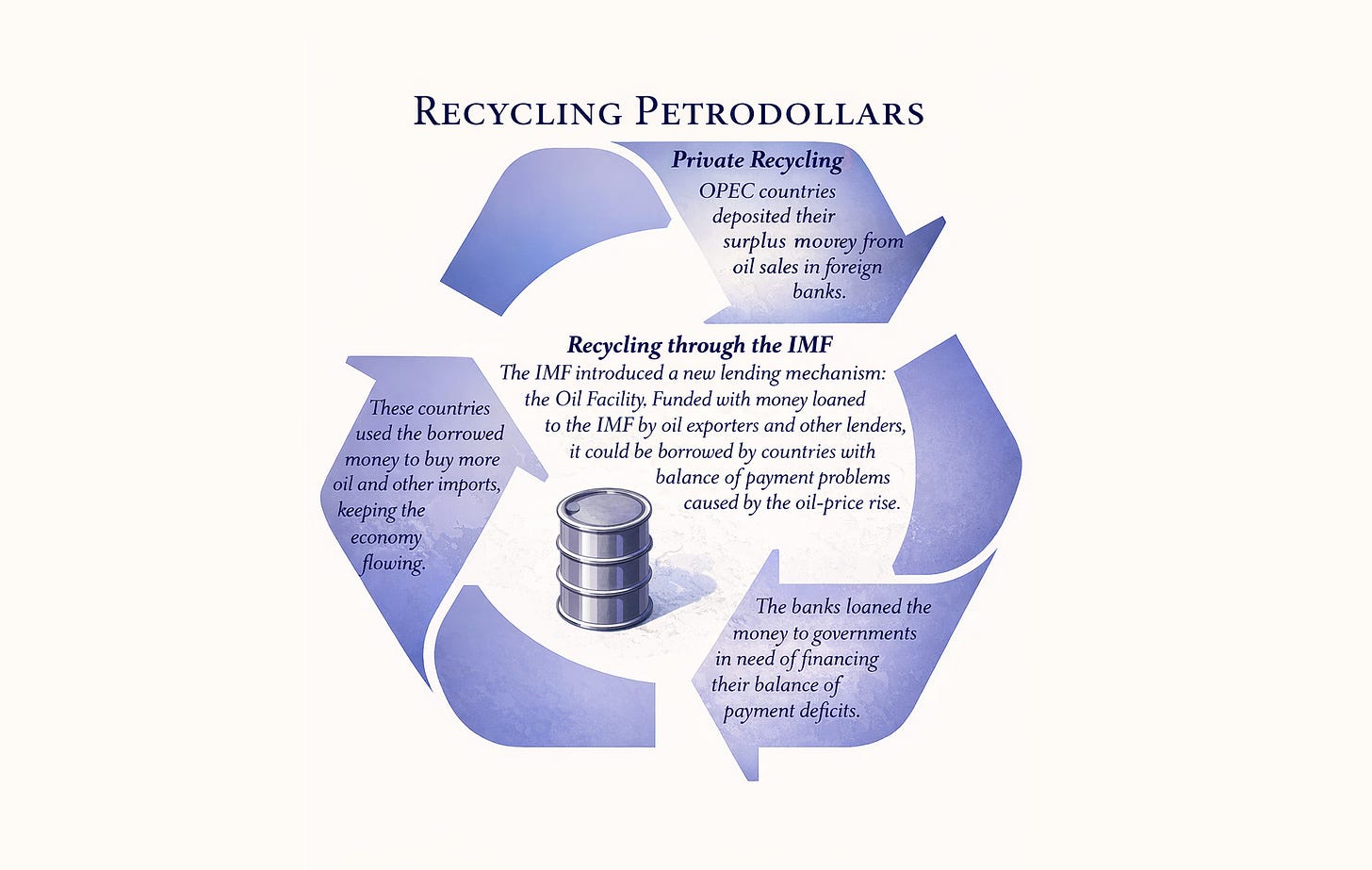
The result is a self-reinforcing structure.
-
Energy demand creates dollar demand.
-
Dollar demand funds American deficits. The United States can effectively pay its creditors by printing more dollars, knowing countries must accept them. In practice this functions as an almost unlimited credit facility.
-
Those deficits support global military and financial reach.
Today roughly 80 percent of global oil trade is still settled in US dollars, ensuring persistent demand for dollar liquidity across global markets.
This demand allows the United States to finance structural trade deficits exceeding $700 billion annually while maintaining deep global demand for its sovereign debt.
Any large-scale shift toward non-dollar energy trade would therefore strike directly at the financial architecture supporting American fiscal and military power.
Energy therefore becomes more than a commodity. It becomes the anchor of the global monetary system.
Iran’s Challenge to the System
Iran occupies an unusual position in the global energy landscape.
It is a major oil producer that operates largely outside the Western financial system and in recent years has developed ways to bypass the dollar network and reduce its exposure to sanctions.
Iran has strengthened economic integration with Russia and China while exploring payment systems and financial channels that reduce reliance on Western banking networks. China already has a strong domestic energy system as well as access to huge reserves through Russia and Iran alone, while simultaneously developing alternative financial structures through initiatives associated with BRICS.
In response to the recent American and Israeli strikes on Iran and the assassination of its leadership, Iran is waging a conflict on several fronts.
1. Attacking American bases across the Middle East.
This reduces the ability of the United States to deploy troops and establish command and control centres. The strategic objective appears to be the long-term removal of American military bases from the GCC.
2. Demonstrating to GCC states that American protection may not guarantee their security.
If Iran can strike energy infrastructure and American assets without decisive retaliation, Gulf states may begin reassessing whether exclusive security dependence on Washington still serves their interests.
This question strikes at the heart of the petrodollar system. The original bargain was simple: oil would be priced in dollars, and the United States would guarantee the security of the Gulf producers. By challenging that security umbrella, Iran is attempting to show GCC states that the foundations of that bargain may be weaker than they appear.
3. Targeting energy production and supply routes.
By choking the Strait of Hormuz, Iran can disrupt the production and distribution of oil and gas from the Gulf, affecting both Qatari LNG exports to Europe and Saudi oil shipments moving through the strait.
Over time, such disruption threatens the stability of the petrodollar system itself. If oil flows become unreliable, confidence in the dollar’s role as the anchor of global energy markets weakens since the dollar no longer anchors oil. That in turn places pressure on America’s ability to finance its debts, fuels domestic inflation, and gradually undermines the credibility of the dollar and the economic system built around it, since America cant print dollars to pay for its annual deficits and excess dollars make their way into the US economy.
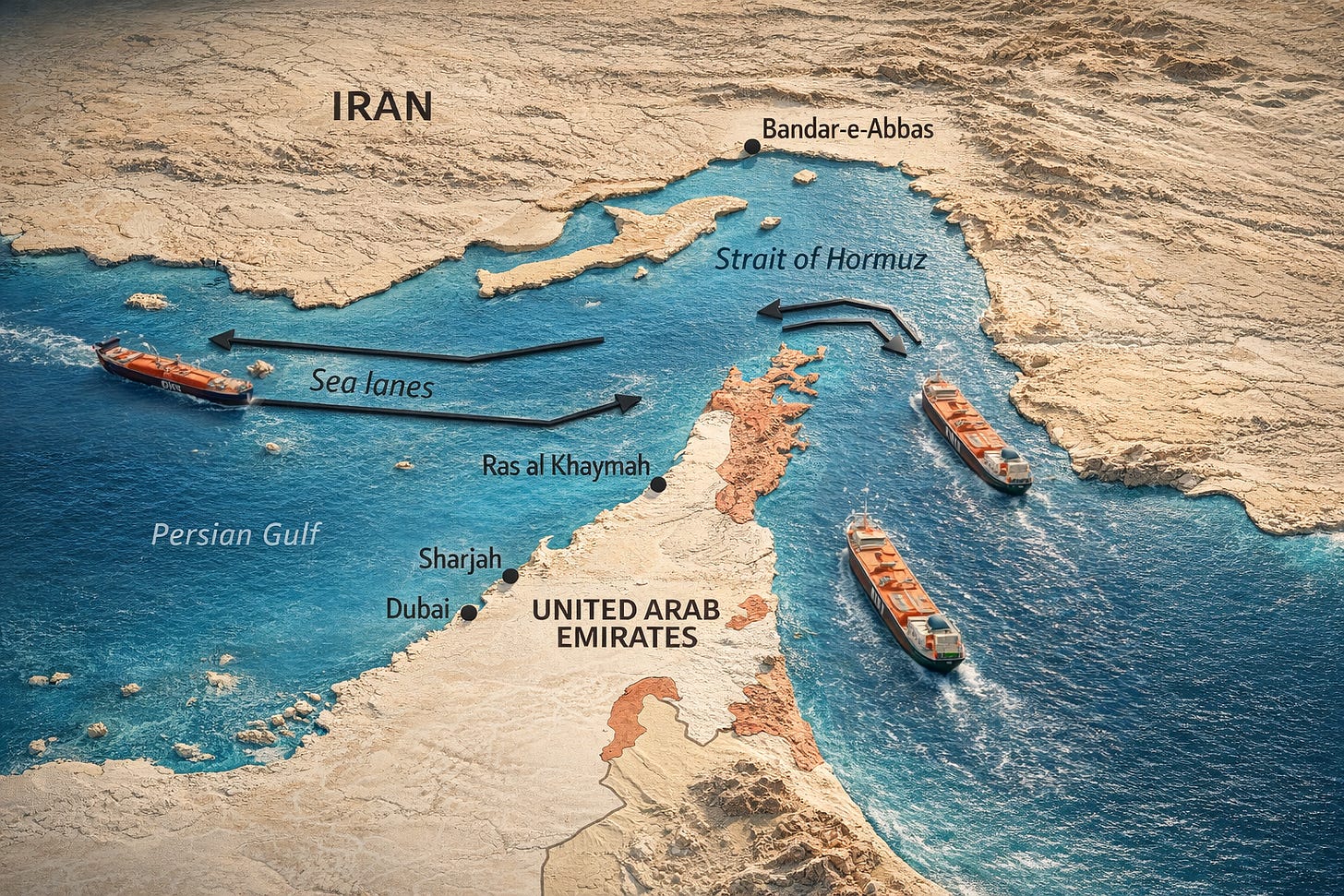
This explains why several of the initial Iranian missile strikes were not directed primarily at Israel itself but at the backbone of the regional energy infrastructure.
The Politico-economics of Energy
The conflict also sits within a much broader global energy contest.
China, Russia and Iran each have strong incentives to see pressure on the American-led energy system continue.
This creates a wider alignment of interests.
-
·China benefits from maintaining access to Iranian energy and restricting America’s ability to pay for its enormous trade deficits with Petrodollars.
-
Russia benefits from a tighter global energy market that increases Europe’s vulnerability, whilst also reducing American aid to Ukraine.
-
Iran benefits from any disruption that raises the strategic cost of isolating it, potentially forcing a retreat of American interests out of the Middle East and therefore isolating Israel.
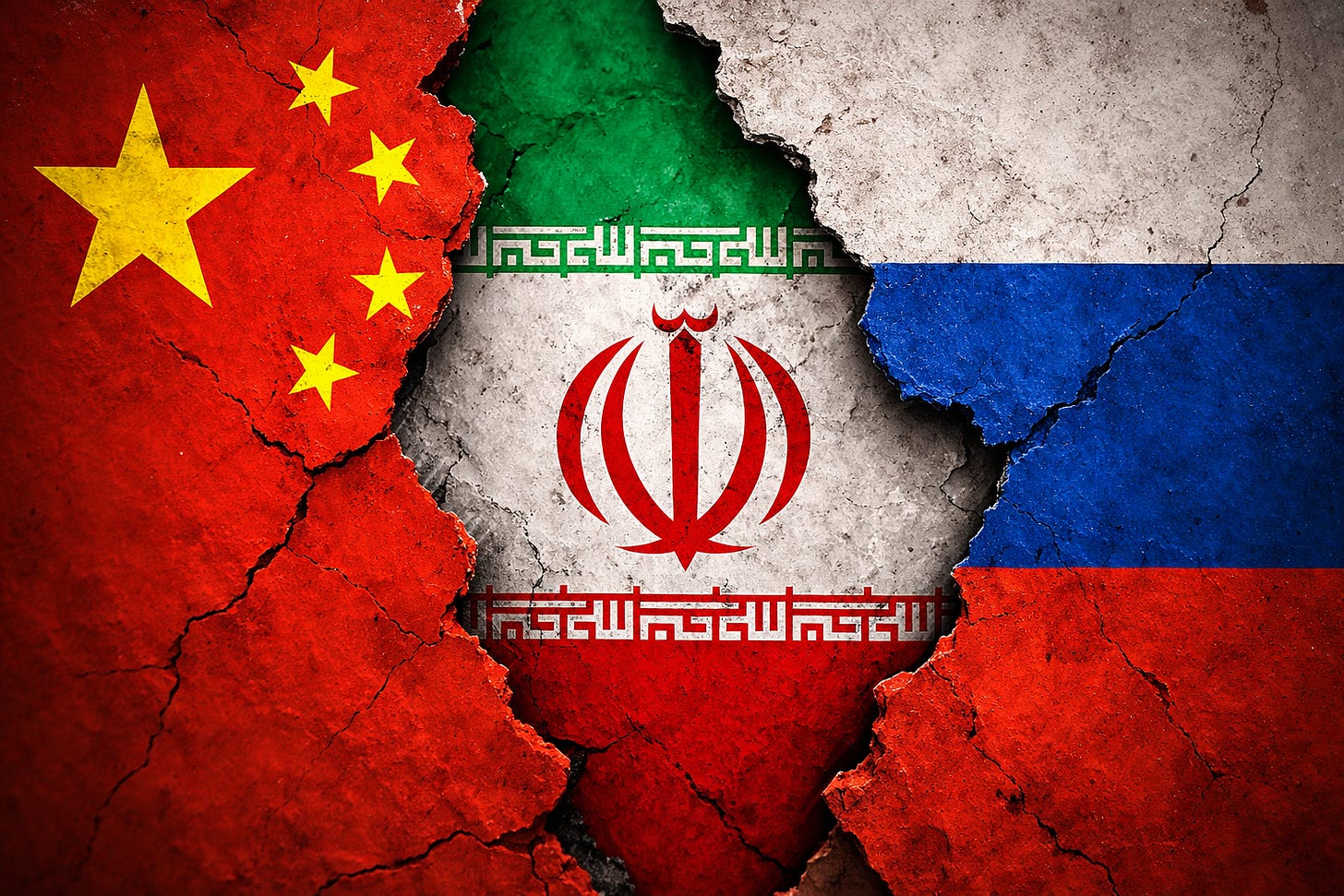
This helps explain the increasingly coordinated behaviour between these powers through intelligence sharing, missile defence systems, targeting systems and advanced munitions.
The longer instability in global energy markets persists, the greater the pressure on Western economies.
Europe faces the risk of prolonged energy shortages and further industrial slowdown, while the United States must expend increasing financial and military resources to stabilise the system.
“In that sense time becomes a strategic variable.”
A prolonged confrontation gradually shifts pressure onto the system the United States is trying to preserve. This is one reason Iranian officials repeatedly refer to the prospect of a long war. The IRGC spokesman Ali Mohammad Naini said:
“The Armed Forces of the Islamic Republic of Iran are capable of continuing at least a 6-month intense war at the current pace of operations.”
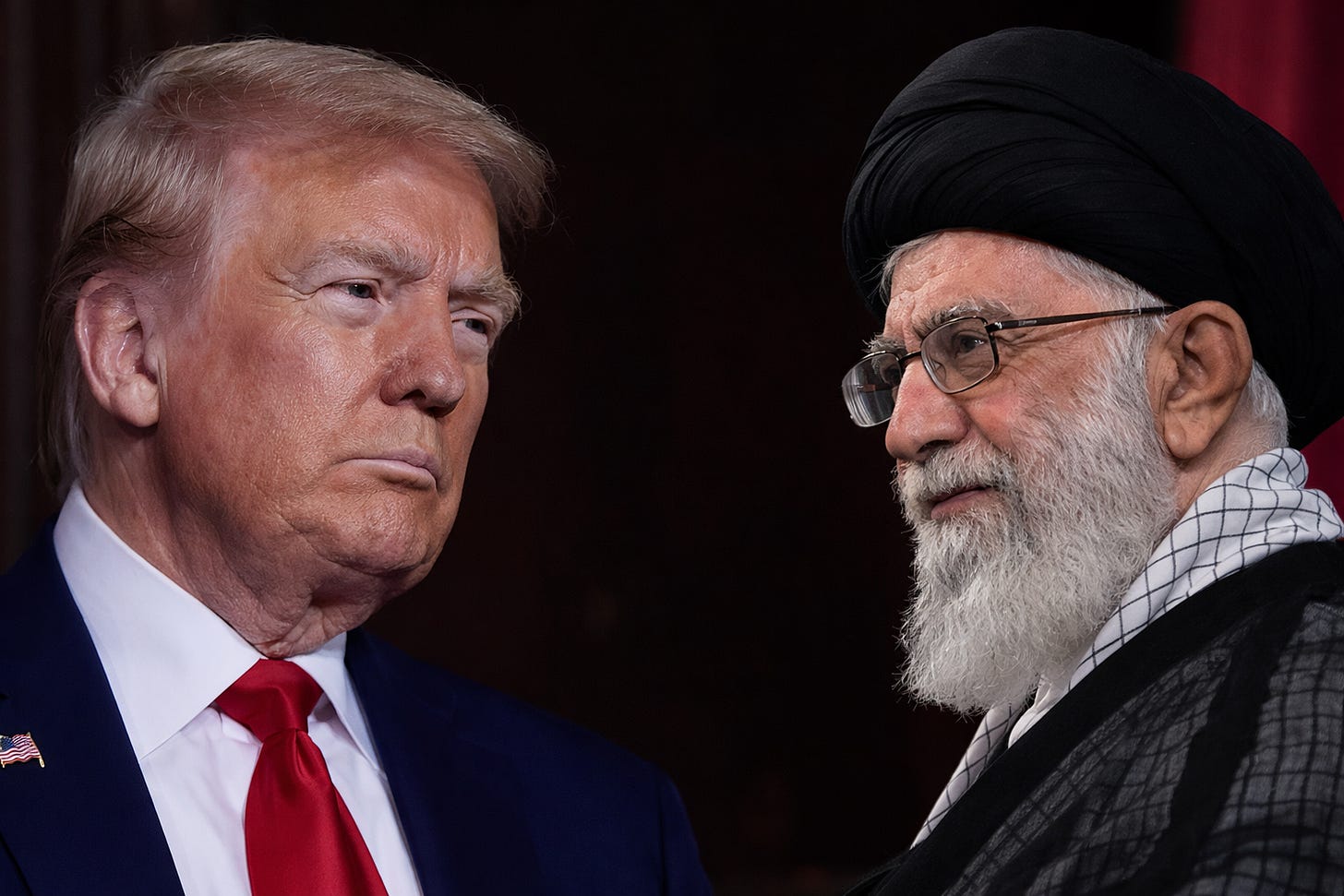
Ironically, what started for America and Israel as a quick decapitation strike and easy victory, Iran’s calculated response is turning it into another Vietnam. At some point Washington will likely need an off ramp, a negotiated pathway that stabilises energy flows without conceding outright strategic defeat. Donald Trump is already hinting at this in often confused messaging.
The reality is in a system built on energy stability, the most dangerous outcome is not a decisive loss. It is a prolonged disruption that slowly erodes the foundations of the system itself.
Beyond the rhetoric, the decisive question for American policymakers is simple: how long can the United States sustain its global deficits if the petrodollar system begins to fracture before Iran is defeated?
Foresight Economics is a research and policy institute working to restore economic sovereignty in the Muslim world by reviving authentic Islamic economic principles for modern challenges, offering policy frameworks and guidance for leaders and institutions.